When Your Knee Starts Talking Back: How to Relieve Knee Pain and Build Strength the Right Way
Hey FitVenturers, reporting live from the orthopedic capital of knee pain. Who would’ve thought that I would be the one dealing with knee issues? I’m fairly active, I try my best to take care of my body, and I don’t typically do anything wild enough to jeopardize my health or longevity. No big fall. No accident. No dramatic moment where everything went wrong.
The only thing I can point to?
Running an untrained 5K.
I know, I know… it’s “just a 5K.” I’ve run them plenty of times in my life. But this one? This one reminded me real quick that your body remembers everything—and it bills you later. I didn’t expect my knee to start acting brand new, but here we are.
Now that I’m here, this experience has unlocked a whole new level of what Living FIT actually means. It’s not just about chasing peak performance. It’s about maintaining functionality, longevity, and resilience when your body pushes back. And it hit me even harder because my mom used to tell me about her knee pain all the time. I listened—but I didn’t truly understand until now.
When your knee doesn’t move the way it used to, life changes fast. Walking feels different. Squatting feels risky. Confidence drops. And suddenly, fitness isn’t just about aesthetics—it’s about survival.
So today, we’re breaking it down. This is your guide to relieving knee pain, strengthening your knees, and getting back to Living FIT the smart way.
Why Knee Pain Is More Common Than You Think
Let’s start with the truth nobody wants to say out loud:
Knee pain doesn’t always come from trauma.
A lot of knee pain comes from:
- Overuse without preparation
- Muscle imbalances
- Weak stabilizing muscles
- Poor movement mechanics
- Ignoring early warning signs
Your knee is a hinge joint, but it depends heavily on everything around it—your hips, glutes, hamstrings, quads, calves, and even your ankles. When one area slacks, the knee pays the price.
This is especially true for people who:
- Work out inconsistently
- Jump into cardio-heavy events
- Sit for long periods during the week
- Don’t prioritize mobility or recovery
Sound familiar? Yeah. That was me too.
Remedy #1: Stop Ignoring Pain and Get a Real Diagnosis
This is where Living FIT separates itself from “just tough it out” culture.
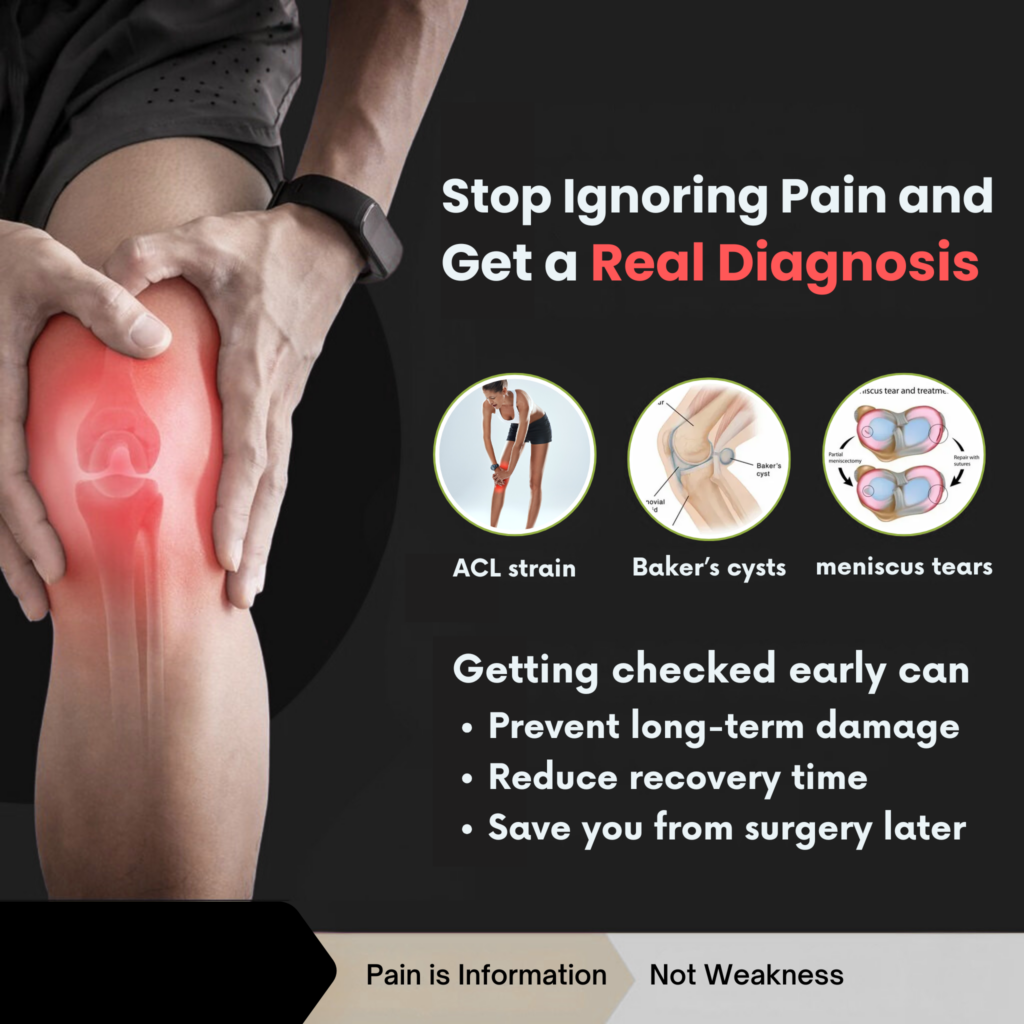
Pain is information—not weakness.
If your knee pain lasts longer than a few days, worsens with movement, or includes swelling, stiffness, locking, or instability, it’s time to stop guessing and start investigating.
An X-ray shows bone.
An MRI shows cartilage, ligaments, tendons, and soft tissue.
Many knee issues—ACL strain, meniscus tears, Baker’s cysts, cartilage wear—can’t be diagnosed properly without imaging.
Getting checked early can:
- Prevent long-term damage
- Reduce recovery time
- Save you from surgery later
Living FIT means being proactive, not reactive.

This week’s FIT CHALLENGE is dedicated to my soldiers — the ones who’ve been quietly weathering the storm for years. The ones who don’t even remember when their body started hurting, only that they’ve learned how to push through it. If that’s you, let this be your sign… your tap on the shoulder… your call from above to finally get it checked out.
Yes, Google is a powerful tool and we’ve all gone down the self-diagnosis rabbit hole at least once. But nothing replaces an official diagnosis. When you know exactly what’s going on, you can finally treat the root of the issue instead of guessing — and accidentally making things worse.
Explore your options. There are many places that offer MRIs at surprisingly affordable prices. One thing I learned along the way? In some cases, it’s actually cheaper to pay cash than to go through insurance. Knowledge is leverage. Get informed, weigh your options, and take control of your healing journey instead of letting pain run the show.
Your body has carried you this far.
Now it’s time to carry it back. 💪🏽
Remedy #2: Reduce Inflammation Before You Try to “Power Through”
A swollen knee is not a knee that wants to be trained.
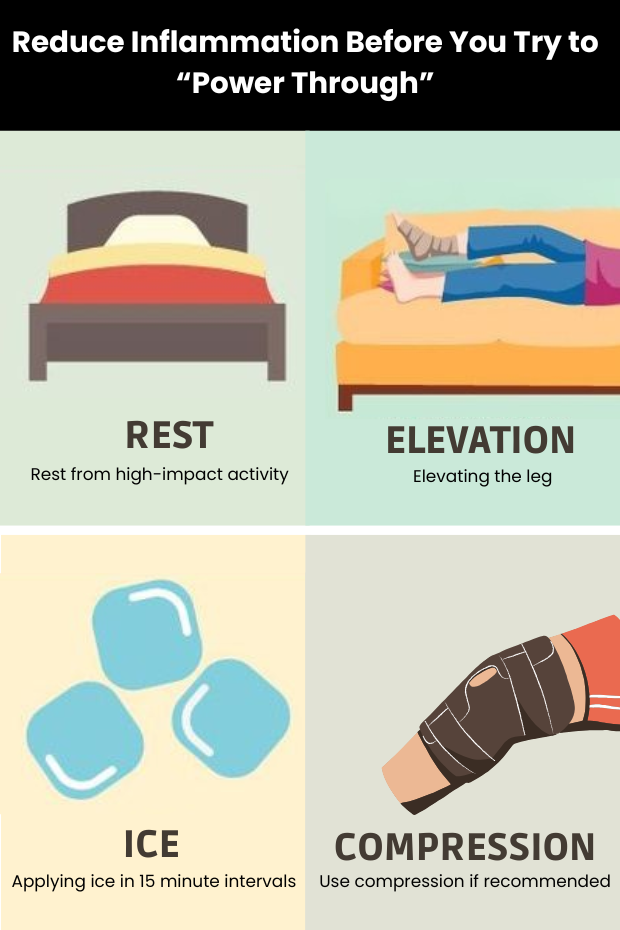
Before you focus on strengthening, you must calm inflammation. This includes:
- Resting from high-impact activity
- Elevating the leg
- Applying ice in 15–20 minute intervals
- Using compression if recommended
Inflammation restricts movement, alters mechanics, and makes compensation injuries more likely. Training on an inflamed knee often creates new problems in your hips or lower back.
This phase isn’t about quitting—it’s about resetting.
Remedy #3: Strengthen the Muscles That Protect the Knee (Not Just the Knee Itself)
Here’s one of the biggest misconceptions in fitness: You don’t strengthen your knee by attacking your knee. You strengthen your knee by building support around it.
Key muscle groups include:
- Quadriceps (especially the VMO)
- Hamstrings
- Glutes
- Hip stabilizers
- Calves
Effective knee-strengthening movements include:
- Step-ups
- Terminal knee extensions
- Glute bridges
- Hamstring curls
- Controlled split squats
- Wall sits
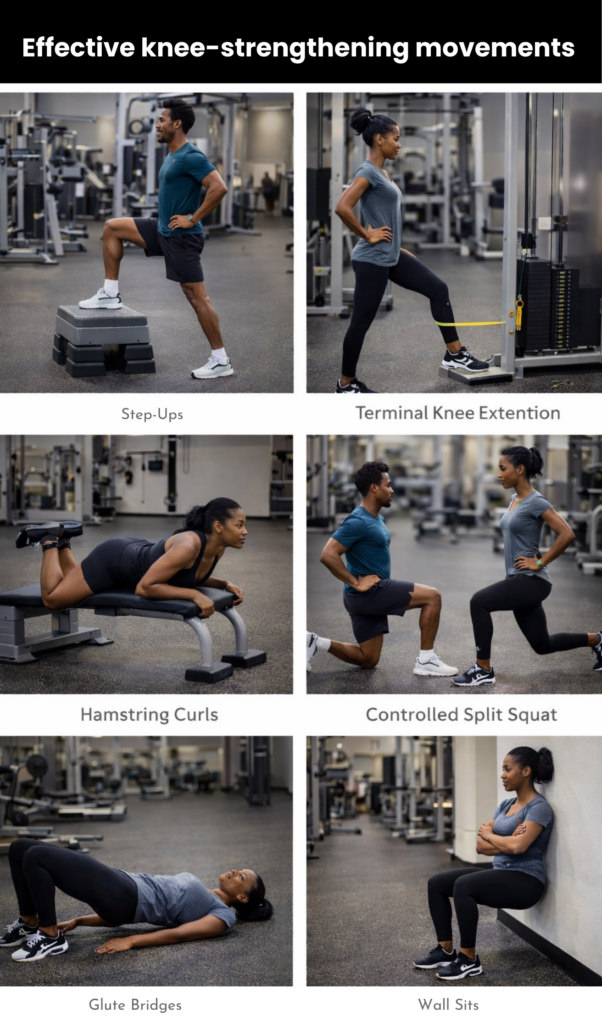
All performed slowly, with control, and pain-free range of motion. This is about retraining movement, not chasing fatigue.
Remedy #4: Mobility and Stretching Are Non-Negotiable
A stiff body forces the knee to compensate.
Tight hips pull on the knee.
Tight hamstrings limit extension.
Tight calves alter walking and running mechanics.
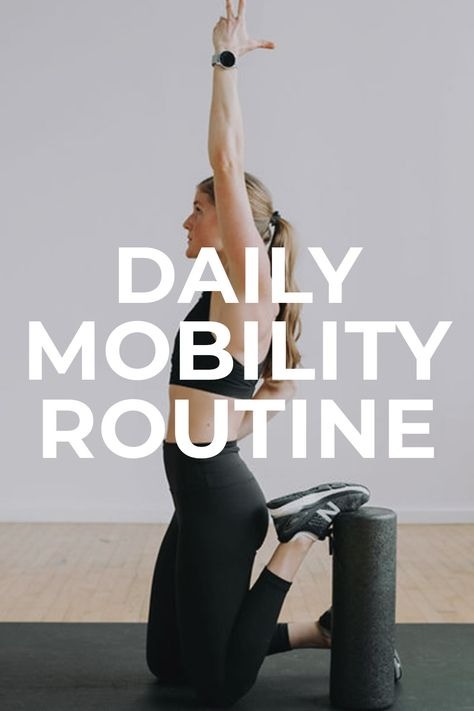
Daily mobility work should include:
- Hip flexor stretches
- Hamstring stretches
- Quad stretches
- Calf and ankle mobility
Stretching doesn’t make you weak—it restores balance. And balance is what keeps your knees working for decades.
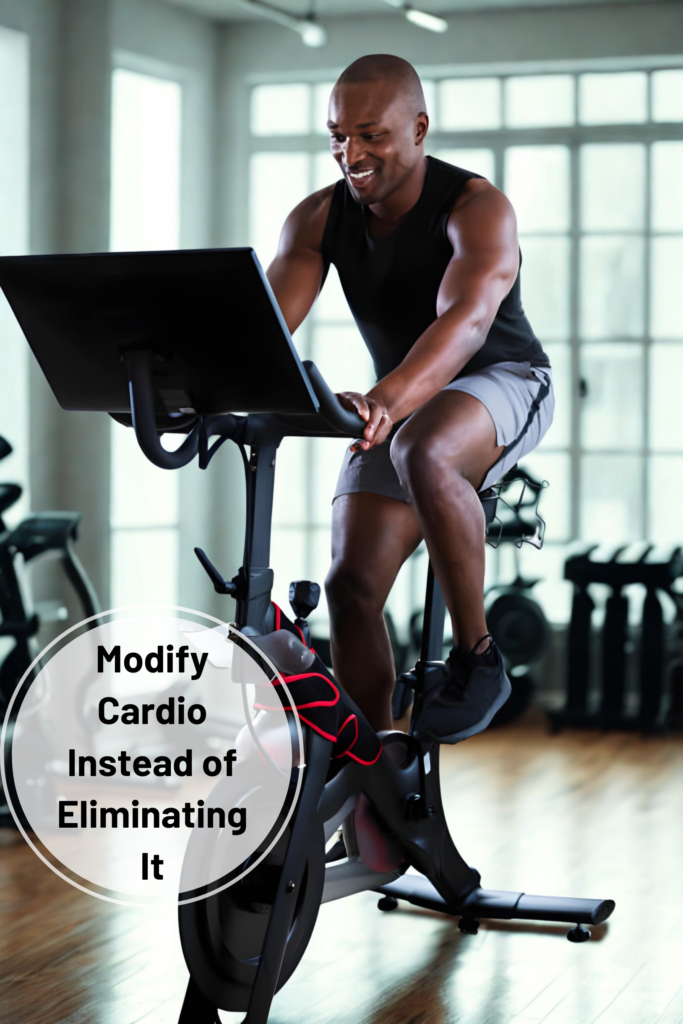
Remedy #5: Modify Cardio Instead of Eliminating It
One of the worst things people do when they have knee pain is stop moving completely.
Movement is medicine—when done correctly.
Knee-friendly cardio options include:
- Swimming
- Stationary biking
- Elliptical
- Rowing (with proper form)
- Walking on even surfaces
These activities maintain cardiovascular health without excessive joint impact.
Living FIT means adapting—not abandoning.
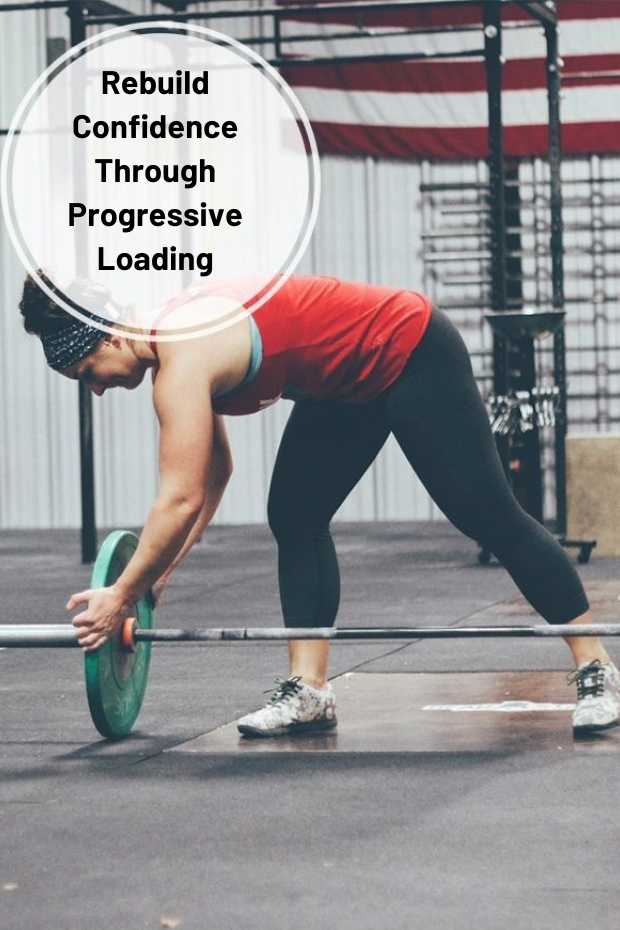
Remedy #6: Rebuild Confidence Through Progressive Loading
Fear is a hidden injury.
After knee pain, many people subconsciously avoid loading the joint. This leads to weakness, instability, and recurring pain.
The goal is progressive loading:
- Start light
- Increase gradually
- Focus on form
- Respect discomfort vs. pain
Working with a professional during this phase can dramatically reduce setbacks and speed recovery.
Your knee needs trust rebuilt—not just strength.
Where to Get Your Knee Checked in Dallas–Fort Worth
If you’re in DFW, you’re blessed with world-class orthopedic care. Here are three trusted resources you can turn to:
AOA Orthopedic Specialists – Dr. David Alan Rubin
AOA Orthopedic Specialists is one of the most respected orthopedic practices in North Texas.
Dr. David Alan Rubin specializes in diagnosing and treating knee conditions using evidence-based, patient-focused care.
From imaging to treatment planning, this office understands how to get active adults back to functional movement safely.
Texas Orthopedic Specialists
With multiple locations across DFW, Texas Orthopedic Specialists provide comprehensive orthopedic evaluations, physical therapy referrals, and non-surgical treatment options for knee pain and joint conditions.
UT Southwestern Sports Medicine
UT Southwestern offers advanced orthopedic diagnostics, sports medicine specialists, and rehab-focused care for both athletes and everyday movers dealing with knee pain or instability.
Why This Is Part of the Living FIT System
This knee journey isn’t a setback—it’s a lesson. Living FIT isn’t about pretending pain doesn’t exist. It’s about responding with wisdom, discipline, and strategy.
Our Living FIT system teaches you how to:
- Adapt when your body changes
- Prioritize longevity over ego
- Stay active without self-sabotage
- Build strength that lasts
Fitness isn’t linear. Health isn’t perfect. But with the right approach, you can keep moving forward—even when your knee tries to slow you down.
Come rock with us on this recovery journey. We’re documenting it week by week, sharing the real wins, the lessons, and the resources that actually help you FIND YOUR FIT and truly LIV FIT.
Tap in with us on Instagram where we consistently pour into our community — from expert insights and recovery tips to workouts, pop-ups, and movement options that meet you exactly where you are. No guesswork. No intimidation. Just real guidance, real people, and real progress.
Hit the link below and join the iLivFIT community. Everything we learn, we pass on to you — plus weekly workouts to help you move better, feel stronger, and stay in the game. Give us a try… and we’ll see you right back here next week, moving smarter and living fitter.

The Takeaway: Find Your FIT, Wherever You Are
Here’s the beauty of Candice’s journey — she didn’t wait for perfect timing or circumstances. She built something powerful out of pain, and now she’s using it to help others rise.
If you’ve been sitting on the sidelines, feeling like you don’t have the time, space, or energy to get fit, guess what? You just ran out of excuses.
Candice is a mobile trainer. You can train with her online, from your living room, your backyard, or even your hotel room. She’ll walk you through every move, every set, and every mindset shift.
It’s not about being perfect — it’s about being consistent.
Final Word: Don’t Wait Until Pain Forces You to Change
If you’re dealing with knee pain right now, let this be your wake-up call—not your breaking point.
Listen to your body.
Get checked.
Strengthen smart.
Move with intention.
And if you want guidance, community, and a system that adapts with you through every season of life—join the iLivFIT Living FIT system.
We’re not here to push you recklessly. We’re here to help you LIVE FIT for life.
Until next time—
Stop trying to just “work out.”
Stop chasing shortcuts.
Just LIVE FIT.